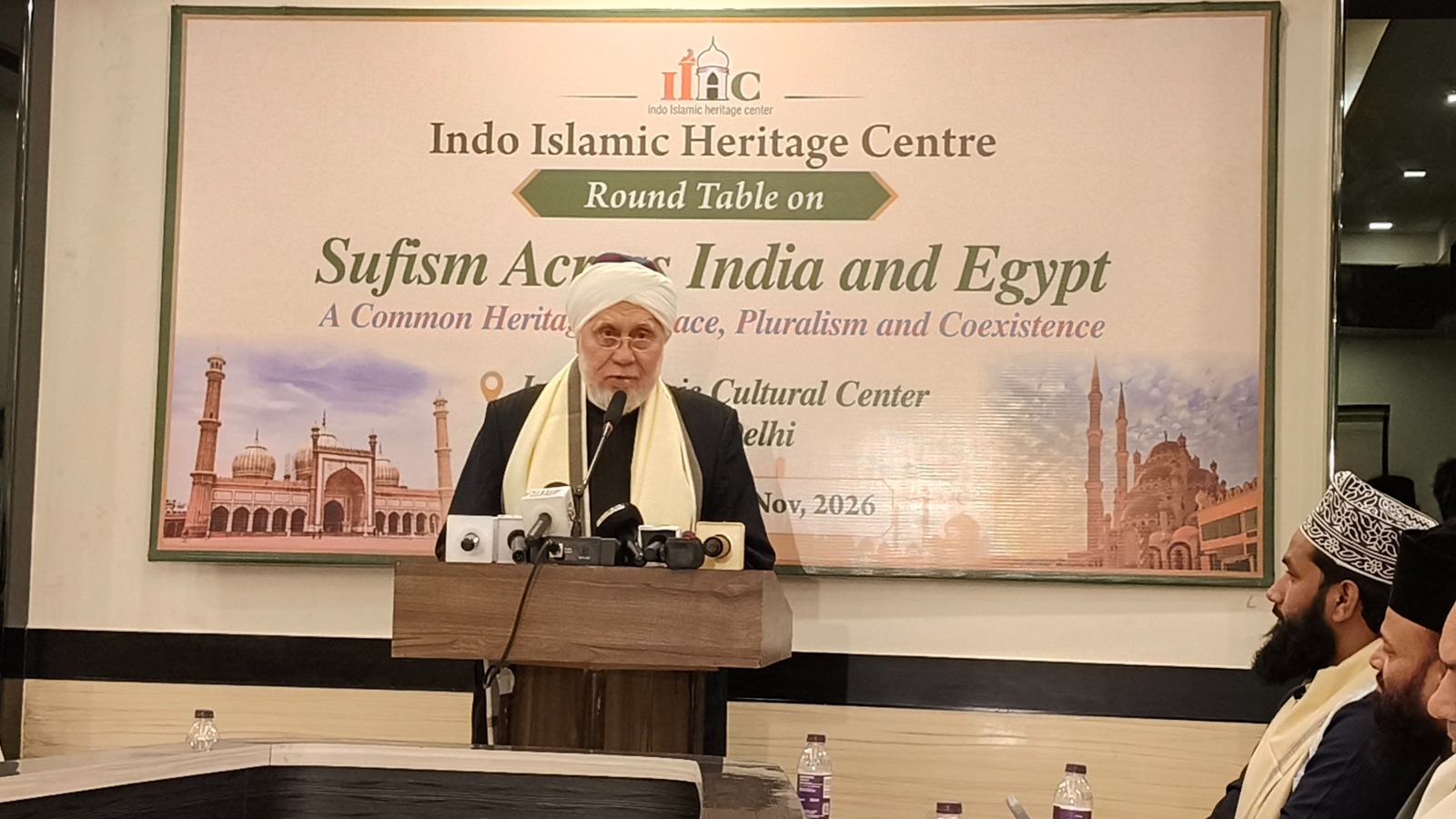
New Delhi, November 24, 2026: The Indo Islamic Heritage Center (IIHC) organised a Round Table Conference on “Sufism Across India and Egypt: A Common Heritage of Peace, Pluralism and Coexistence” at the India Islamic Cultural Centre, New Delhi, bringing together prominent scholars, religious leaders, academicians and media representatives to deliberate on the shared spiritual heritage of India and Egypt and the relevance of Sufism in addressing contemporary global challenges.
The conference highlighted India’s rich Sufi traditions as an important source of its civilisational strength, cultural diplomacy and soft power. Speakers emphasised that India’s pluralistic spiritual heritage and inclusive understanding of Islam could offer a constructive model for the Muslim world and the international community at a time when religious extremism, intolerance and ideological polarisation pose serious challenges.
Addressing the gathering, Prof. Dr. Muhammad Abdul Semed Mahanna, Professor of International Law and Advisor to the Grand Imam of Al-Azhar University, Cairo, observed that Sufism has the potential to emerge as a successful ideology in the contemporary world. He particularly highlighted India’s remarkable capacity to absorb, nurture and sustain diverse Sufi traditions. He noted that India’s experience of Sufism could serve as a role model for the world by presenting a moderate, progressive and inclusive understanding of Islam. He stressed that the spiritual traditions of India hold immense relevance in shaping a more peaceful and harmonious global society.
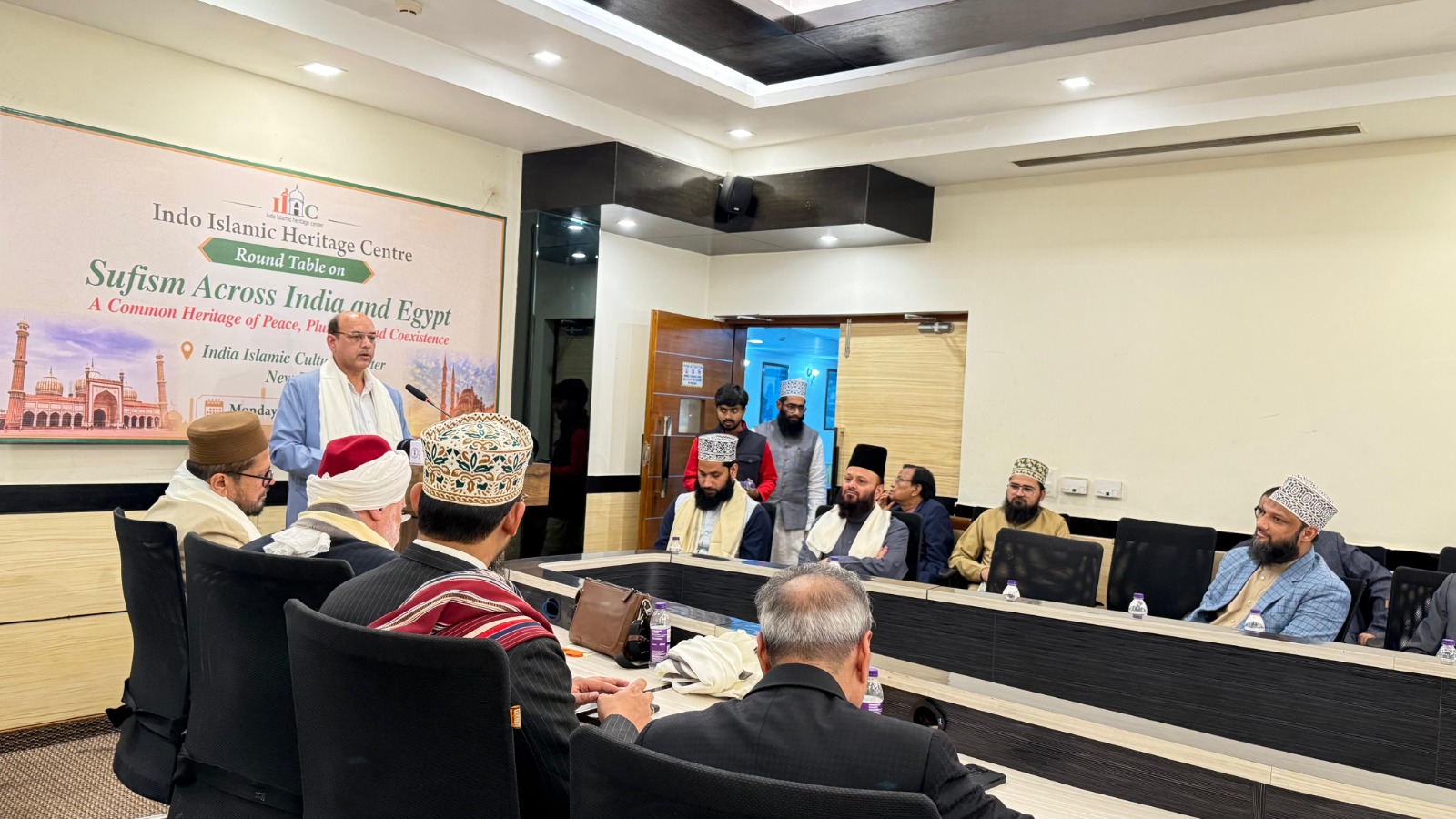
Prof. (Dr.) Ghulam Yazdani, Dean, Faculty of Law, Jamia Millia Islamia, underlined the historical and civilisational connections between India and Egypt, describing both as ancient civilisations with a rich intellectual, spiritual and moral heritage. He observed that these two countries have the potential to provide new direction to the world, not only through their civilisational contributions but also through their religious and moral values. He emphasised the need to strengthen intellectual and cultural exchanges between the two nations.
Pir Syed Fareed Ahmed Nizami, Sajjada Nasheen of Dargah Hazrat Nizamuddin Auliya, said that India’s history is fundamentally rooted in tolerance, love, harmony and peaceful coexistence. He emphasised that the contemporary world needs a progressive and moderate model of Islam that embraces inclusivity, respects diversity and promotes peaceful coexistence. He observed that India’s Sufi heritage represents an important foundation for advancing these values.
The deliberations also highlighted that India’s Sufi legacy is not merely a religious or spiritual inheritance but an important component of its civilisational identity and international engagement. The shared spiritual connections between India and Egypt can further strengthen bilateral cultural relations, people-to-people exchanges and India’s position as a voice for moderation, pluralism and intercultural dialogue at the global level.
Dr. Shujaat Ali Quadri, Chairman of the Muslim Students Organisation of India (MSO), delivered the vote of thanks, expressing gratitude to the distinguished guests, scholars and participants. He emphasised the importance of promoting India’s indigenous Sufi traditions and strengthening platforms that encourage moderate, progressive and inclusive religious thought.
The programme was conducted by Mohammad Zafruddin Barkati, Research Fellow, Indo Islamic Heritage Center, who highlighted the importance of academic and cultural engagement in preserving and promoting the shared spiritual heritage of India and Egypt.
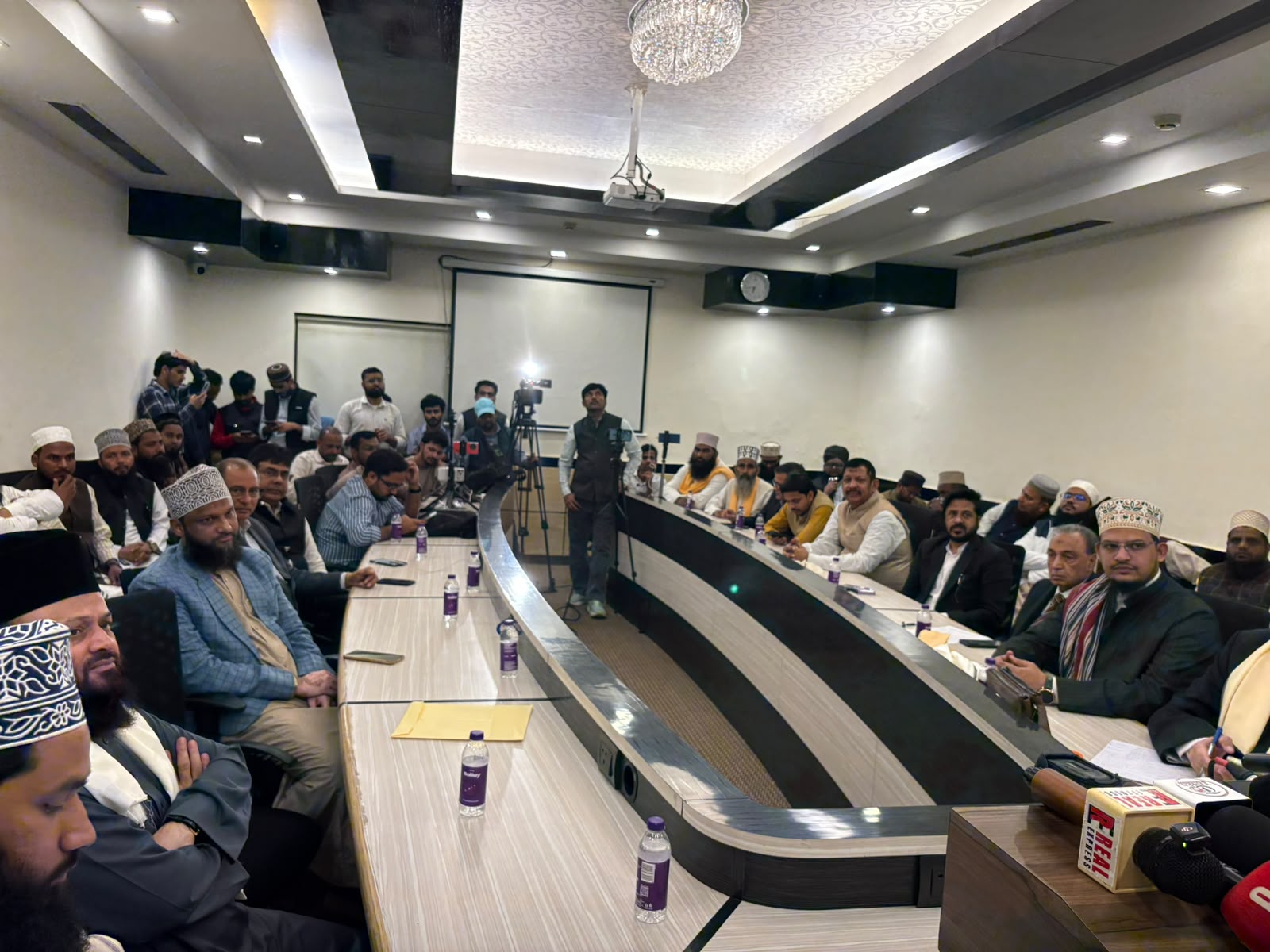
Among the prominent personalities present at the conference were Sirajuddin Qureshi, former President of India Islamic Cultural Centre; Abdul Majid Nizami, Editor, Sahara Group; Khursheed Rabbany, Editor, Pillar India; Mahmood Gazi of Jamia Hazrat Nizamuddin; and Mufti Ashfaq Husain Qadri, Chairman, Tanzeem Ulama-e-Islam, Kumar Aniket of Stava, along with other distinguished scholars, intellectuals and representatives of civil society.
The conference concluded with a collective emphasis on taking India’s message of Sufism, peace, pluralism and coexistence to a wider international audience and strengthening India-Egypt civilisational relations through sustained intellectual, cultural and spiritual engagement.